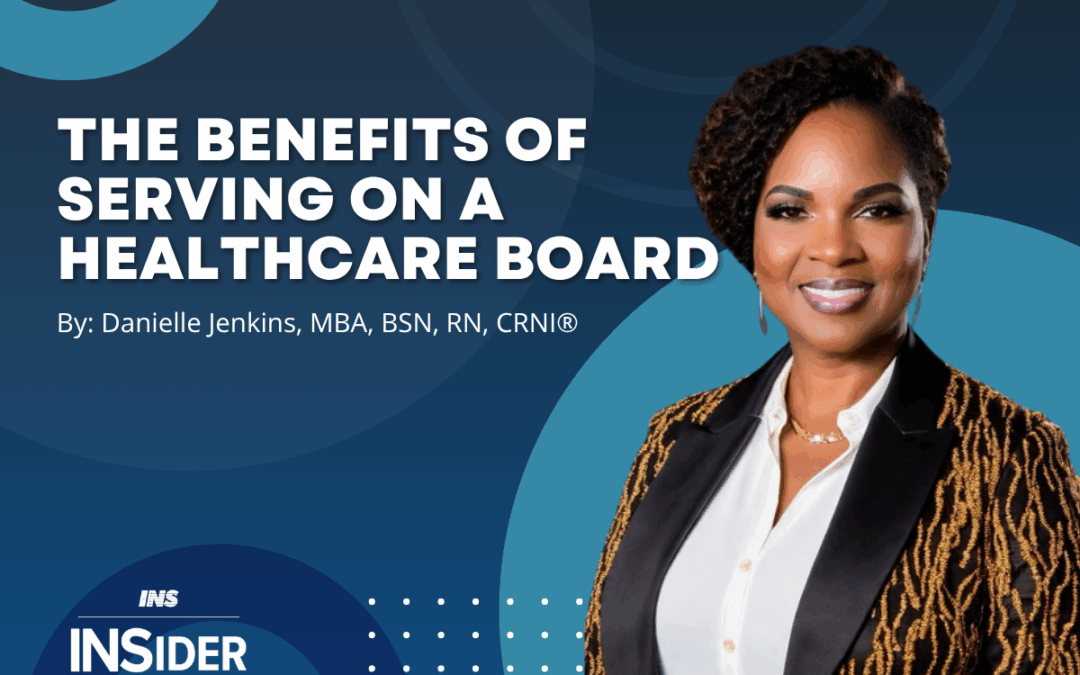
Serving on a healthcare board is an enriching and impactful experience that allows professionals to influence the direction of healthcare organizations, advocate for best practices, and contribute to meaningful change. As someone who has had the privilege of serving on four nonprofit healthcare boards, I have seen firsthand how board membership can elevate careers, expand networks, and enhance the overall quality of care provided to communities.
Benefits of Serving on a Healthcare Board
- Influence Change – Serving on a healthcare board allows you to bring your voice to the table, advocating for policies and practices that improve patient care, organizational efficiency, and healthcare equity.
- Professional Growth – Board service provides exposure to high-level decision-making, strategic planning, and governance, which enhances leadership and critical-thinking skills.
- Networking Opportunities – You will connect with influential healthcare professionals, business leaders, and policymakers, expanding your professional network and opening doors to new career opportunities.
- Community Impact – Being on a healthcare board gives you the chance to positively impact healthcare delivery and outcomes within your community.
- Skill Enhancement – Board members gain experience in areas such as financial oversight, policy development, compliance, and risk management.
Why Nurses Should Serve on Healthcare Boards
Nurses bring a unique and valuable perspective to healthcare boards due to their direct patient care experience, advocacy skills, and deep understanding of healthcare operations. Here are some key benefits of having nurses on boards:
- Patient-Centered Advocacy – Nurses can ensure that board decisions prioritize patient safety, quality care, and ethical considerations.
- Frontline Insights – Their hands-on experience allows them to provide practical solutions to operational challenges.
- Interdisciplinary Collaboration – Nurses bridge the gap between clinical and administrative functions, fostering effective communication and teamwork.
- Commitment to Care Quality – Their knowledge of best practices and regulatory standards helps maintain high standards in healthcare organizations.
Tips for Joining a Healthcare Board
If you are interested in serving on a healthcare board, here are some steps to get started:
- Identify Your Interests – Determine the type of healthcare board that aligns with your expertise and passion (e.g., hospitals, nonprofits, long-term care facilities, public health organizations).
- Enhance Your Knowledge – Learn about board governance, financial stewardship, and regulatory compliance.
- Network and Engage – Attend healthcare leadership events, join professional organizations, and express interest in board service.
- Build Your Resume – Highlight relevant experience, leadership roles, and committee involvement.
- Start Small – Consider joining advisory committees or smaller nonprofit boards before transitioning to larger boards.
Do’s and Don’ts for Healthcare Board Members
Do’s:
- Stay Mission-Focused – Ensure decisions align with the organization’s mission and strategic goals.
- Adhere to Bylaws – Understand and comply with the organization’s governing policies.
- Be Ethical and Professional – Maintain confidentiality, integrity, and respect for diverse perspectives.
- Stay Engaged – Attend meetings, participate in discussions, and contribute to committee work.
- Advocate for Best Practices – Support initiatives that improve healthcare quality and patient outcomes.
Don’ts:
- Micromanage Operations – The board’s role is governance, not daily operations.
- Neglect Responsibilities – Failing to attend meetings or stay informed weakens the board’s effectiveness.
- Allow Conflicts of Interest – Always disclose and avoid any personal or financial conflicts.
- Ignore Compliance and Ethics – Ensure the organization follows all regulatory and legal requirements.
Call to Action: Elevate Your Career by Joining a Healthcare Board
Serving on a healthcare board is a powerful way to make a difference in the healthcare industry while advancing your professional journey. If you are passionate about influencing change, improving patient care, and developing your leadership skills, take the next step—apply to serve on a healthcare board today. Your voice and insights are needed to shape the future of healthcare!
Danielle Jenkins, MBA, BSN, RN, CRNI
INS President 2024-2025
References
- American Hospital Association. (2021). The Importance of Governance in Healthcare. Retrieved from www.aha.org
- Nurses on Boards Coalition. (2020). Why Nurses Should Serve on Boards. Retrieved from www.nursesonboardscoalition.org
- National Association of Corporate Directors. (2022). Best Practices for Nonprofit Board Members. Retrieved from www.nacdonline.org
- Institute for Healthcare Improvement. (2021). The Role of Boards in Quality and Safety. Retrieved from www.ihi.org