INS 2026 Annual Meeting is bringing together an exceptional group of speakers from across the infusion nursing community, and we wanted to give you a chance to get to know them beyond their credentials. We asked a few of our featured presenters to answer some get-to-know-you questions, and their responses just might surprise you. From unexpected fun facts to the moments that inspired their passion for infusion therapy, get a glimpse into the people who will be taking the stage in 2026.
When did your passion begin?
I have been an oncology nurse for 37 years and a clinical nurse specialist for 30 years. During this time I have administered antineoplastics and other therapies and studied the best practices around medication delivery. I have traveled nationally and to many other countries and I have seen wide variations in the way medications are administered. Unfortunately, I have also seen challenges related to administering medications accurately. The two most important parts of medication delivery are giving the total prescribed dose over the correct duration and doing this in a way that dose not put the nurse at risk for hazardous drug exposure, if it involves a hazardous drug. As technology has advanced and medications have changed there is an opportunity to reexamine the way we deliver meds to ensure safety for our patients and staff. By optimizing infusion therapy practices we can improve quality of care for all patients receiving medications.
Can you share a preview of the key themes or topics you will be discussing at the conference?
I will be discussing and highlighting the challenges with accurate drug delivery and suggesting strategies for improving practice. I hope to raise awareness of this problem, especially with regard to small volume medication delivery and safe handing of hazardous drugs. Additionally, I want to highlight the importance of interdisciplinary collaboration, especially with our pharmacy colleagues.
What inspired you to focus on these particular areas in your presentation?
I think seeing the challenges nurses face every day in my teaching and traveling inspired me the most to come up with strategies to solve these issues. Also, in the past 5 years numerous anticancer drugs and other medications have been FDA approved that are small volume drugs. Not receiving the full dose of any medication can lead to poor outcomes for our patients. We cannot leave even a drop behind.
When did your passion begin?
Over 40 years ago when I was at the bedside in critical care and a provider asked if I could assist with placing a dialysis line in dire situation. I realized vascular access devices are literal lifelines. I also started wondering after putting lidocaine into our potassium boluses what was the cause of the pain. Sure, the patient was not complaining anymore, but that IV didn’t last.
What do you hope attendees will take away from your talk?
The attendees should expect to be empowered to create a class, group or team that will generate advocacy for the patient’s vascular access device.
What skills or qualities do you believe are essential for success in this field?
Passion, compassion and inquisitiveness are needed to continue to keep the lifelines best or better at lifesaving.
When did your passion begin?
My passion for infusion therapy began in nursing school, where I found fulfillment in caring for patients with complex clinical needs, particularly those requiring infusion therapy. After two years in acute care practice, I transitioned into home infusion and quickly realized how much I valued the continuity of care and close patient relationships that setting provided.
Over time, that early interest evolved into a sustained professional commitment. I have been fortunate to share and expand this passion across diverse roles including acute care, home infusion, long-term care, nursing education, service with the Arizona Board of Nursing, teaching within a BSN program, and now in my current role with the Infusion Nurses Society as Chief Clinical Officer. Each step has reinforced my dedication to advancing safe, evidence-based infusion practices and supporting both patients and the nurses who care for them.
Can you share a preview of the key themes or topics you will be discussing at the conference?
I will be presenting the opening session with Barb Nickel, INS Standards of Practice Chair and Dr. Victor Rosenthal, INS Standards Editor-in-Chief. I will be highlighting several core themes centered on advancing infusion practice globally. First, we will provide insight into how the INS Standards are developed, including the evidence review, expert collaboration, and rigorous processes that ensure they remain both practical and scientifically sound.
Second, we will explore how the Standards of Practice are being implemented around the world, with perspectives shared directly by clinical leaders representing six different countries. This global dialogue offers a valuable opportunity to learn how diverse health systems adapt best practices to their unique settings.
We will conclude the session by encouraging attendees to refuel their passion for the vital work they do. Infusion therapy is both highly technical and profoundly human, and our goal is to inspire clinicians to continue elevating the standard of care, supporting one another, and advocating with confidence and compassion for the patients we serve.
What do you hope attendees will take away from your talk?
My hope is that attendees leave the session with a renewed sense of passion and purpose for the important work they do every day. Infusion practice can be demanding, and reconnecting with the “why” behind our roles is essential for sustaining excellence and resilience.
I also want participants to walk away with practical ideas for how they can positively influence others — whether through mentorship, leadership, education, or advocacy for safe, evidence-based patient care.
Finally, I encourage meaningful networking and professional engagement, both during the session and afterward. Building connections with colleagues across organizations and countries strengthens our collective impact and helps move the specialty forward.
What are you most looking forward to at this year’s conference outside of your own session?
Beyond my own session, I am most looking forward to the opportunity to network and learn from fellow attendees. Conferences provide a unique space to exchange ideas, hear fresh perspectives, and reconnect with colleagues who are equally passionate about advancing practice. Those informal conversations and shared experiences often spark new collaborations and insights that continue well after the event concludes.
What inspired you to focus on these particular areas in your presentation?
I’ve spent almost my entire career studying outcomes associated with vascular access devices with a special interest in peripheral IVs. Over those years we have seen substantial evidence emerge on central venous catheters and potential design dependent variation, but there has been comparatively little with real world approaches to peripheral IVs. Using an expert consensus to begin moving the science forward is a great step toward refining our approaches beyond a “one size fits all” strategy.
What do you hope attendees will take away from your talk?
I hope attendees leave with clarity and confidence—clarity about the existing evidence and the consensus, and confidence to apply insights to their clinical settings. For me, I was intrigued to see how strongly the expert panelists aligned on the relative importance of features other than the catheter itself. Not surprisingly, inserter education and skill, site selection, catheter to vessel ratio, dressing/securement, flushing and similar fundamental considerations were thought to be stronger predictors of device complications.
Can you share a memorable experience or lesson from your career that has shaped your approach to your work?
Early in infection prevention, nobody told me surveillance was limited to ICU patients with central lines, so I included every patient with every device first with bloodstream infections and then over time with non-infectious complications. That revealed to me the true scope of device‑related complications. The vascular access and infusion nursing community embraced my work, leading to global opportunities, INS volunteer roles (2017, 2021 reviewer; 2024 SOP Committee), serving as 2024 AVA President, contributing to the Vascular Access Certification Board, and collaborating with APIC and SHEA. Long before federal pressure to expand device surveillance, I pushed clinicians to understand device performance within our own institutions.
How do you stay up-to-date with the latest trends and advancements in infusion therapy?
I stay updated through literature, conferences, committee work, regulatory awareness, and close engagement with frontline clinicians. I’m also actively involved as a moderator on a large specialty based social media site as well which serves as a very real chance to hear what topics are coming up as frequent concerns or where there is confusion in standards or other evidence based recommendations.
When did your passion begin?
My passion began when I was a young teenager, and I remember it now as if it happened just yesterday. There was a terrible wreck in my neighborhood late one night. A drunk driver hit a parked car head-on. When we ran outside, I saw that the passenger had gone through the windshield. And even at that age, all I wanted to do was help her. I remember standing there, heart pounding, realizing in that moment exactly what I was meant to do.
By the next year, I was taking basic first aid classes, trying to learn anything I could about caring for people in crisis. That instinct—to step in, to help, to make things safer—never left me. My career has now evolved beyond bedside care but even after many years working as an ER nurse, that same 13-year-old impulse still drives everything I do today. It all comes from that early moment when I understood just how much it matters to protect people when they’re vulnerable.
That was the spark then—and honestly, it’s still the spark now.
What inspired you to focus on these particular areas in your presentation?
My focus on these areas is deeply personal. Over the past several years, I’ve lost my husband, my mom, and my sister to different forms of cancer. When you go through something like that, you stop looking at healthcare as an abstract system—you live in the reality of it every single day.
That experience drives my passion for eliminating avoidable risks wherever we can. We can’t control every factor in a patient’s journey, but there are areas where we have the ability, and frankly the responsibility, to do better. Reducing harmful chemicals in medical devices is one of those places.
If there are exposures we can remove, if there are safer alternatives that protect the most vulnerable patients—especially infants, oncology patients, and women—then we have an obligation to act. My goal in this presentation is to highlight the evidence, elevate the urgency, and help drive the transition to products that support healing without adding hidden harm. For me, this isn’t just policy or procurement. It’s personal—and it’s a way to honor the people I’ve lost by making a difference for the people we can still protect.
What do you hope attendees will take away from your talk?
What I hope attendees take away from this session is a sense of empowerment. DEHP exposure isn’t just a technical issue buried in clinical literature – it’s a real, modifiable risk that shows up in everyday infusion practice. My goal is for nurses, pharmacists, and all other attendees to walk out of this presentation feeling like they can make a difference, not just in product selection but in advocating for safer standards across their units and organizations.
I want them to recognize that harmful chemicals in infusion products are not inevitable. We have choices, we have evidence, and we have a responsibility to use both. If each person leaves believing they can be the voice that sparks a conversation, challenges the status quo, or pushes for a safer alternative, then this session has done its job.
At the heart of it, I hope attendees feel inspired to be advocates—because reducing avoidable harm and improving healthcare starts with people who care enough to speak up.
Can you share a preview of the key themes or topics you will be discussing at the conference?
I’ll be presenting in two sessions at the conference. The first, “Nursing Adaptations in Infusion Practices During a Nationwide Intravenous Fluid Shortage,” explores how the impacts of Hurricane Helene, from Fall 2024 through Spring 2025, disrupted national IV fluid supplies and affected infusion nursing practice. In this session, I’ll discuss practice adaptations implemented at a large academic medical center to conserve IV fluids, along with the associated patient safety risks, workflow implications, and unintended clinical consequences of operationalizing fluid conservation strategies.
My second session, “What Nurses Can Learn from IV Smart Pump Data to Improve Clinical Practice,” will be co-presented with Dr. Jeannine Blake. Together, we examine the vast amount of data generated by IV smart pumps and how this frequently underutilized resource can inform nursing practice and quality improvement. I’ll share three real-world exemplars from my organization that demonstrate how IV smart pump data can be leveraged to improve clinical workflows, enhance patient safety, and support data-informed nursing decision-making.
What do you hope attendees will take away from your talk?
I hope attendees leave with an appreciation for how data is generated through everyday infusion practices, along with a curiosity about how it can meaningfully inform patient care. As a profession, nursing must continue to ask critical questions of the data we generate and remain actively involved in interpreting it to drive meaningful practice and system-level change.
I also want to reinforce that whenever infusion practice and patient safety are discussed, nurses must have a seat at the table. When nursing voices are absent, decisions are often made that don’t fully reflect clinical realities or serve the needs of patients and frontline staff. I hope attendees feel empowered to engage in data-informed discussions and think differently about how their own practice and institutional data can be leveraged to improve infusion safety within their organizations
What has been the most rewarding part of your career so far?
The most rewarding part of my career has been my role as a Clinical Nurse Specialist at The Ohio State University Wexner Medical Center, particularly at The James Cancer Hospital. I have the privilege of supporting patients during some of the most vulnerable moments of their cancer journey, while also supporting nurses who provide highly complex and specialized care.
What has been especially meaningful is the ability to influence care at both the patient and the system level. I’ve had opportunities to lead and contribute to initiatives that create lasting positive impact, including authoring our organization’s infusion therapy management policy, implementing antisiphon valves for EPOCH infusions, introducing short-primary administration sets across our medical center, and participating in the go-live team for pump interoperability. Seeing the outcomes of these projects improve patient care and better support nursing practice has been incredibly fulfilling.
Share a fun fact.
I’ll share two! I am a nurse inventor and a rock climber!
What has been the most rewarding part of your career so far?
Being in the education department, the most rewarding aspect is watching the development of new nurses. Starting from a new graduate who is scared, quiet, and lacks confidence to developing experience and becoming a true patient advocate. I get to see how their confidence grows.
What inspired you to focus on these particular areas in your presentation?
The need for a structured Ultrasound Guided Peripheral IV program is what inspired me to create a guideline and training process. The CDC multistate investigation into bacterial infection related to USPIV insertion process prompted me to investigate our current process.
What skills or qualities do you believe are essential for success in this field?
Steady Hands, patience and staying up to date on current practices and trends.
Share a fun fact.
I love to travel, hike, and kayak. One of my travel goals is to visit all the 63 US National parks, so far, I have visited 39. Only 24 left to go!
When did your passion for infusion therapy begin?
My passion for infusion therapy began early in my nursing career while caring for pediatric and neonatal patients. I quickly realized that vascular access was more than a technical skill, it was a way to reduce fear, protect fragile veins, and improve the experience for patients and families. I discovered I had both a natural skill and a deep sense of purpose when starting peripheral IVs, a skill that followed me into home infusion practice.
When I first learned about PICCs, I knew immediately they could change outcomes for my pediatric patients. In 1989, I traveled to MD Anderson to learn PICC insertion, and that experience was truly transformative. From that point forward, vascular access became not just my specialty, but my calling. That passion led me to develop curriculum, teach workshops, and eventually found PICC Excellence, so others could gain the same confidence, skill, and fulfillment I found in this work.
What strategies do you use to make complex topics more accessible and engaging?
I am deeply grateful for opportunities such as speaking at the INS Annual Conference, where I can share research in ways that resonate with everyday practice. While I value rigorous, in-depth research, I believe its greatest impact comes when it is translated into practical, meaningful guidance.
My goal is always to bridge evidence and bedside care, breaking complex concepts into clear, actionable insights that clinicians can immediately apply. When nurses understand not just what to do, but why it matters, learning becomes empowering and confidence follows.
How do you see the field of infusion therapy evolving over the next few years?
I see infusion therapy continuing to evolve into a highly respected, evidence-driven specialty grounded in demonstrated competency. While certification remains essential, I believe the future lies in pairing certification with ongoing validation of skill and performance.
Moving beyond testing alone to measurable mastery and continued qualification will strengthen credibility, elevate standards, and ensure patients consistently receive the highest level of care. This evolution reflects the complexity and responsibility inherent in infusion practice, and honors the expertise of those who choose this specialty.
Share a fun fact.
I live on a farm with chickens and a flowing creek with small waterfalls. I find joy in walking in the woods, sewing, and spending quiet time each morning in prayerful devotionals and reflection, moments that keep me grounded, grateful, and renewed.
When did your passion begin?
My passion for helping others began early. I was the kid who always wanted to take care of family members when they were hurt. During nursing school, while working as a CNA, I discovered a deep interest in critical care—an interest that ultimately grew into a broader passion for many different areas of nursing over the years.
When I first learned about PICCs, I knew immediately they could change outcomes for my pediatric patients. In 1989, I traveled to MD Anderson to learn PICC insertion, and that experience was truly transformative. From that point forward, vascular access became not just my specialty, but my calling. That passion led me to develop curriculum, teach workshops, and eventually found PICC Excellence, so others could gain the same confidence, skill, and fulfillment I found in this work.
Can you share a preview of the key themes or topics you will be discussing at the conference?
I’ll be speaking about Apheresis during my session. It’s a therapy that many people aren’t familiar with unless they’ve directly encountered it—either as a patient or a provider. This presentation is an opportunity to raise awareness about what Apheresis providers and nurses do, and the wide range of conditions we’re able to treat. My goal is to make this specialty more approachable and understood.
What has been the most rewarding part of your career so far?
The most rewarding part of my career has been helping other nurses grow; supporting them as they build their skills, confidence, and professional paths. Earlier in my career, I didn’t always feel like I had that kind of support from leadership. Now, as a supervisor, I work hard to make sure my team feels backed, encouraged, and confident that I’ll be in their corner when they need me.
Share a fun fact.
I’m a huge animal lover! I currently have two dogs, but one of my dreams is to have a small petting zoo when I retire.
When did your passion begin?
My passion for infusion therapy ignited when, as a nurse educator, I discovered the Infusion Nurses Society (INS) Standards of Practice. I immediately worked to align our hospital’s policies and educational programs with these standards, earned my CRNI certification, and inspired our vascular access team to become certified as well. This commitment deepened after earning my PhD, as I recognized the need to not just apply the evidence, but to create it. This led me to conduct research addressing critical gaps in the literature, such as our current study on safely infusing vasopressors through peripheral catheters, which we are proud to be presenting at the INS 2026 conference.
Can you share a preview of the key themes or topics you will be discussing at the conference?
In our session, we will dive into the growing practice of administering vasopressors through a peripheral intravenous catheter to expedite sepsis treatment. We will share key research findings from our health system’s experience, focusing on guideline adherence and complication rates. Do you think we found a low or high percentage of complications?
Crucially, we’ll also explore the perspective of ED and ICU nurses, sharing their confidence levels and real-world experiences with implementing these guidelines.
What has been the most rewarding part of your career so far?
My involvement with INS has been one of the most rewarding aspects of my career, driven by a desire to give back to the organization after earning my CRNI and PhD. My journey began with serving on the National Council on Education (NCOE) from 2017 to 2020, where I had the privilege of helping shape our annual conferences. This experience deepened my commitment, culminating in my service as INS President from 2021 to 2022. I centered my presidency on the theme ‘Research Your Passion,’ a call to action to empower all members to transform their clinical curiosity into meaningful research. It’s a message I continue to champion today, encouraging every infusion professional to be an active member of INS and, most importantly, to contribute to our collective body of knowledge by exploring the clinical questions they are passionate about.
Share a fun fact.
True to my last name, I am a basket weaver! I especially enjoy making melon baskets when I am on vacation at the beach.
When did your passion begin?
My passion began when I realized that nursing was never meant to be a single destination—it’s a foundation. After years at the bedside, I saw incredibly gifted nurses feeling boxed in, believing their value ended with shift work. That moment sparked my mission: helping nurses reimagine their careers as evolving callings, not fixed roles.
Can you share a preview of the key themes or topics you will be discussing at the conference?
This session centers on career evolution beyond the bedside, transferable clinical expertise, and designing a second act rooted in purpose, income, and impact. We’ll explore non-traditional pathways such as consulting, entrepreneurship, leadership, education, advocacy, and digital health—and how nurses can strategically pivot without abandoning their identity.
What inspired you to focus on these particular areas in your presentation?
I’ve watched too many seasoned nurses believe that leaving the hospital meant leaving nursing altogether. My inspiration comes from dismantling that myth. Nurses don’t lose relevance when they step away from the bedside—they gain reach. This work is about helping nurses recognize the power of what they already carry.
What has been the most rewarding part of your career so far?
Watching nurses reclaim their power—whether that’s launching a business, stepping into leadership, or designing a flexible second act that honors their life, not just their license.
Can you share a preview of the key themes or topics you will be discussing at the conference?
A major focus will be on how infusion therapy is evolving toward more individualized, risk-informed care, especially in immunoglobulin and biologic therapies. Shared decision-making is really at the center of that. I want to talk about how clinicians can realistically apply it by balancing clinical evidence with patient preferences, lifestyle, and safety considerations. We will also touch on decision-making across different care settings, the value of nursing and pharmacy expertise, measuring patient experience as part of quality, and how to turn data and standards into something usable in everyday practice.
What inspired you to focus on these particular areas in your presentation?
It really comes from what I see every day in practice. As my career evolved from general infusion into immunoglobulin and biologic therapies, the complexity of decisions grew right alongside the therapies themselves. I consistently saw that the best outcomes occurred when clinicians and patients truly partnered in the decision, not just selected a treatment. That is what drew me to shared decision-making. My session focuses on giving clinicians practical ways to balance clinical evidence, patient preferences, lifestyle realities, and safety considerations so decisions are not just clinically sound, but also realistic and sustainable for the person receiving care.
How do you see the field of infusion therapy evolving over the next few years?
I think we are going to continue to see more specialization, stronger teamwork across disciplines, and a greater reliance on data to guide decisions. We will also see more therapies delivered outside traditional hospital settings, which means clinician competency, standardization, and patient education will matter even more than they already do.
Share a fun fact.
My cat is probably the worst administrative assistant ever. She sends emails with typos, interrupts calls, and regularly falls asleep on the job. Outside of work, I love exploring different parts of this country and around the world, meeting the people who call those places home, and discovering the local food and culture along the way. My husband and I have been rescuing greyhounds for more than 20 years, which has been one of the most meaningful parts of my life outside of work. I am also a lifelong crafter and enjoy everything from stained glass and pottery to knitting, Lego builds, and amigurumi.
What inspired you to focus on these particular areas in your presentation?
My inspiration grew from a combination of caring for my daughter and my research in human factors and human‑centered design. For years, I observed nurses, and heard other families in situations like mine, work around processes and medical equipment that didn’t always match the realities of their environment. Once I began conducting research, I found myself reflecting on the challenges I experienced at home. When something simple becomes unexpectedly complex, the stakes suddenly feel much higher. I remembered the stress of trying to remove a “stuck” luer‑lock connector, and how I had seen nurses struggle with the same issue in the hospital and clinics.
I wondered whether this was unique to my daughter’s central line or part of a larger pattern. With support from NIH (NCATS), I conducted a pilot study, and the results were clear:
patients, caregivers, and nurses all reported similar challenges, frequently turning to improvised, off‑label tools that compromise safety. These findings confirmed that this seemingly small issue represented a broader, unaddressed gap in clinical practice, and solidified my commitment to focus on it.
What do you hope attendees will take away from your talk?
I hope attendees walk away with an appreciation for the power of listening to patients, to caregivers, and to themselves as nurses. The challenges we’ll discuss during this presentation are not the result of negligence or lack of skill, but rather the natural or cultural response to not having access to appropriate tools, unclear processes, or insufficient training systems.
I want attendees to feel empowered to:
· Recognize when a workaround signals a deeper systems issue.
· Advocate for safer, standardized tools that support patients and clinical workflows.
· Engage in research and innovation, because nurses’ perspectives are essential to designing solutions that reflect real clinical environments.
While we present data and design insights, at its core this session is about honoring nurses’ problem‑solving skills and moving toward improving healthcare systems that support them instead of requiring them to improvise.
Who or what has been your greatest influence or inspiration in your career?
My greatest inspiration comes from my daughter and son. Their resilience, strength, and distinct ways of seeing the world continue to shape how I show up in my research and in my life. My daughter taught me how to navigate complexity with bravery and curiosity, even in moments that felt overwhelming. After she passed away, I watched my son keep chasing his dreams, slowly building his own path forward. His example, along with his encouragement, pushed me to further my education and step fully into a research career. From both of them, I learned that perseverance rooted in love can carry you through anything. I feel incredibly grateful to be doing work that reflects the lessons they gave me.
Professionally, I am inspired every day by patients, caregivers, and clinicians who share their lived experiences with honesty and vulnerability. Their stories guide the direction of my research and remind me that at the center of every innovation, improvement, or intervention is a human being whose life is impacted by the decisions we make. As they learn to navigate the complexity of healthcare, it’s our responsibility to ensure we are doing this work not just for them, but with them. Their insight, expertise, and perspectives are not an accessory to research, they are the foundation of meaningful change.
This is why I lead patient and clinician advisory groups whose lived experiences directly inform every stage of my research, from shaping the questions we ask, to designing the study, identifying outcomes that actually matter, and guiding dissemination. Conducting research without addressing relevant, real‑world outcomes serves no meaningful purpose. Prioritizing the perspectives and needs of those affected isn’t just valuable, it’s essential to ensuring that our work has impact where it matters most.
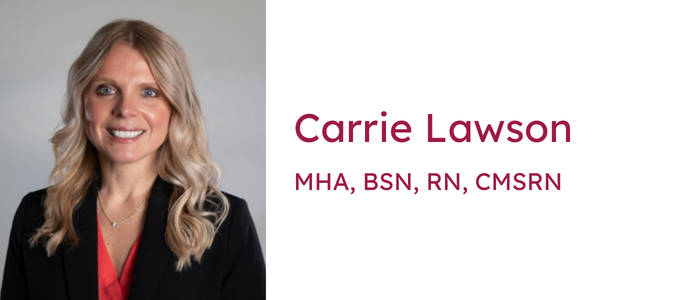
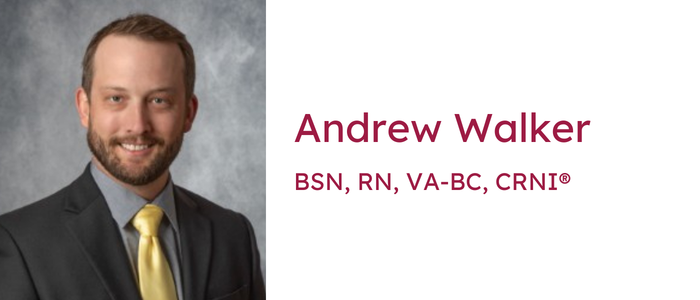
Can you share a preview of the key themes or topics you will be discussing at the conference?
We’ll share how UnityPoint Health standardized IV pumps and drug libraries across 18 hospitals, building the foundation for full eMAR–pump interoperability. We highlight multidisciplinary governance, improved DERS compliance, bedside workflow changes, and evidence showing interoperability reduces infusion errors.
How do you stay up-to-date with the latest trends and advancements in infusion therapy?
The Journal of Infusion Therapy! Conferences. Webinars. Continuing education opportunities. Maintaining certifications also provide great opportunity to stay up to date on recent publications and literature.
What do you think makes the INS Annual Conference unique and valuable to attendees?
Infusion therapy encompasses a wide range of professionals, and the INS Annual Conference brings those wide range of professionals, including perspectives from providers, bedside clinicians, managers, informaticists, industry experts, educators, vascular access, infusion therapy, oncology, acute care, long-term care, home infusion, etc.
What advice would you give to first-time attendees of the INS conference?
Come with an open mind. Don’t be afraid to ask questions. Walk up and talk to presenters that presented on something you are curious about or interested in. Sit in the front!
Share a fun fact.
We all work at UnityPoint Health, but have never worked in the same hospital at the same time!