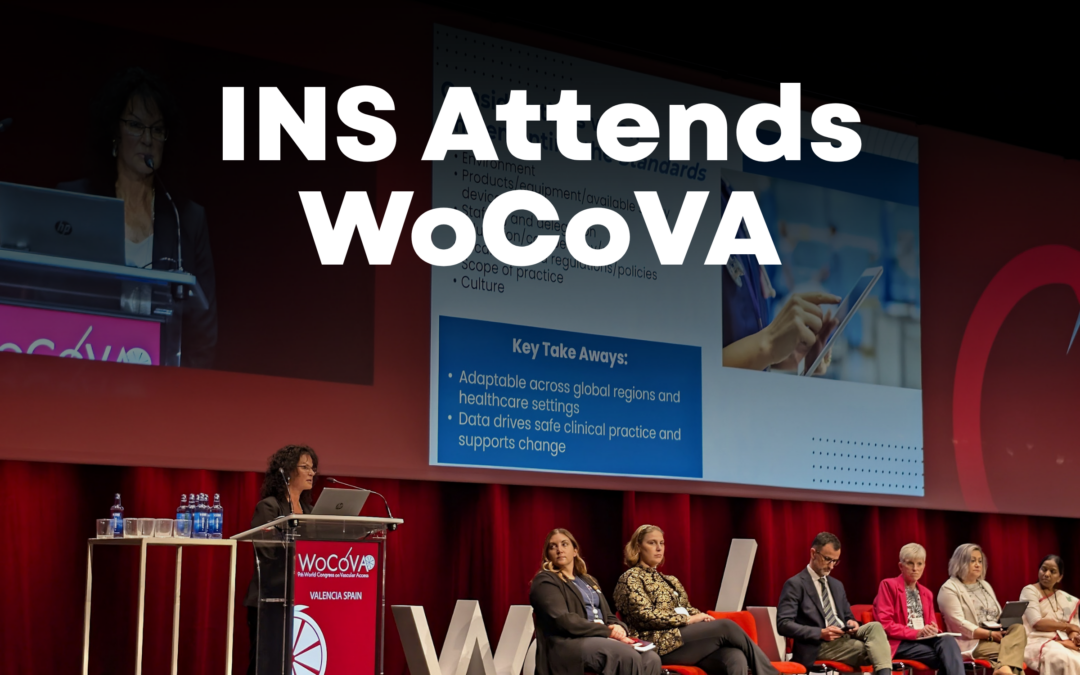
The WoCoVA Congress, hosted by the Global Vascular Network (GloVANet), is a biennial international meeting that brings together multidisciplinary and multi-professional experts focused on every aspect of vascular access. The Congress offers exceptional opportunities for collaboration, professional networking, and exposure to emerging evidence and best practices. Attendees gain a global perspective on advances in vascular access while building connections and knowledge that support professional growth and help shape the specialty’s future worldwide.
INS was honored to participate at WoCoVA through attendance, exhibiting and speaking opportunities.
INS Attendance
Attendees at the 9th WoCoVA Congress experienced a highly international meeting with participants from approximately 58–60 countries and more than 1,300 attendees representing clinicians, researchers, educators, and industry across Europe, North America, South America, Asia, Australia, and the Middle East.
Across the three-day program, sessions focused on current evidence and practical advances in vascular access, including device selection, insertion and maintenance practices, infection prevention, thrombosis management, tip location technologies, securement strategies, neonatal and arterial access, home care considerations, and emerging applications of artificial intelligence in practice and education.
Overall, the discussions consistently emphasized translating evidence into practice to improve patient outcomes, particularly through reducing complications such as infection, thrombosis, catheter failure, and skin injury, while also reinforcing the importance of standardized practice, clinician competency, vascular access team models, and ongoing global collaboration to strengthen care across settings.
INS Presentations
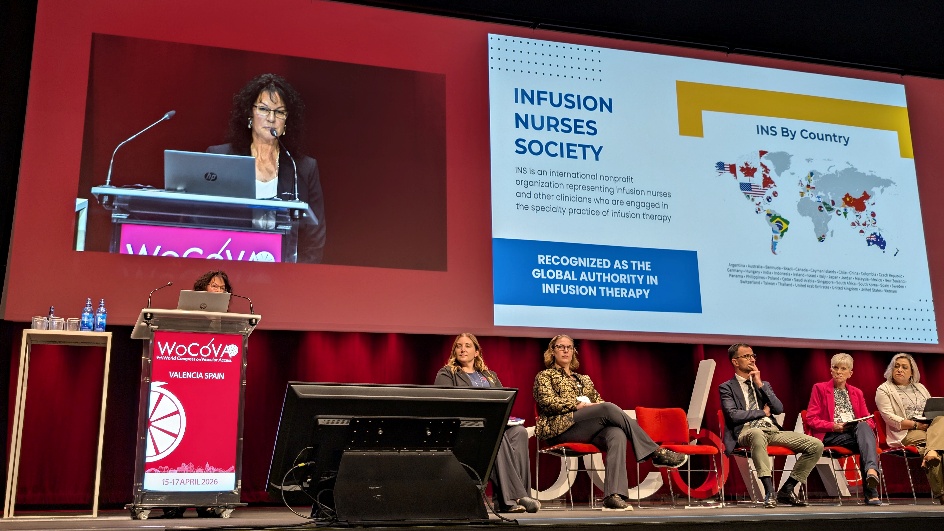
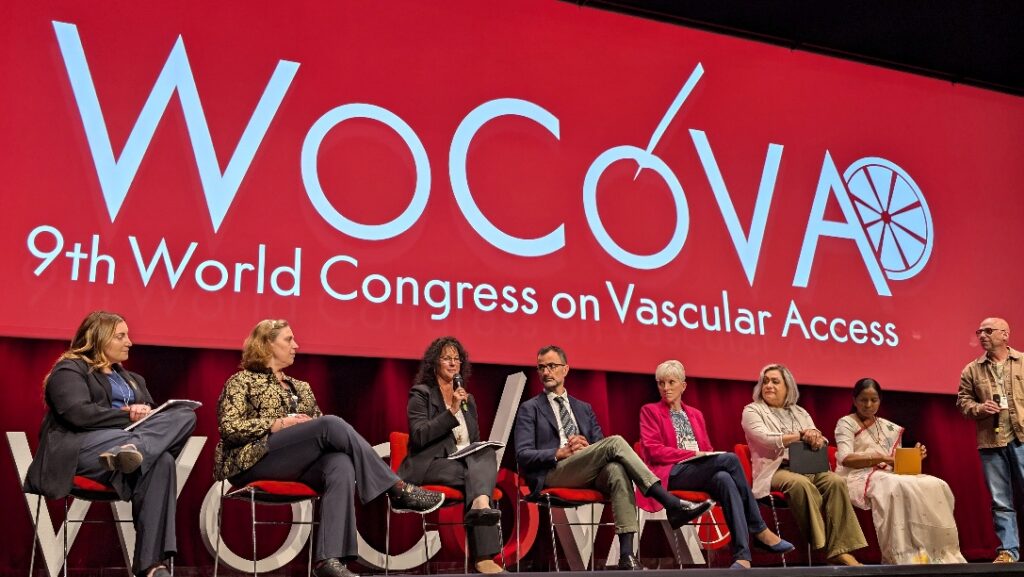
Dr. Marlene Steinheiser, PhD, RN, CRNI®, Chief Clinical Officer of the Infusion Nurses Society, presented a session titled: Global impact and implementation of the Infusion Therapy Standards of Practice which she opened in Spanish. The presentation highlighted INS as an international leader in infusion therapy education, standards, and clinical practice, with members and affiliates spanning multiple countries worldwide.
Key topics included the role of the Infusion Therapy Standards of Practice (Standards) in promoting patient and clinician safety, infection prevention, vascular access device (VAD) management, competency development, and evidence-based clinical decision-making across all patient populations and care settings. Attendees were also informed of the forthcoming 2027 publication of the revised 10th edition, which will be released under the new title, Infusion Therapy and Vascular Access Standards of Practice.
Dr. Steinheiser emphasized the importance of adapting implementation strategies to regional healthcare environments, available resources, scope of practice regulations, and cultural considerations. Using examples from several countries, Brazil, South Africa, Poland, China and Taiwan, she demonstrated how differences in laws, product availability, education, and healthcare infrastructure influence infusion therapy and vascular access practices globally.
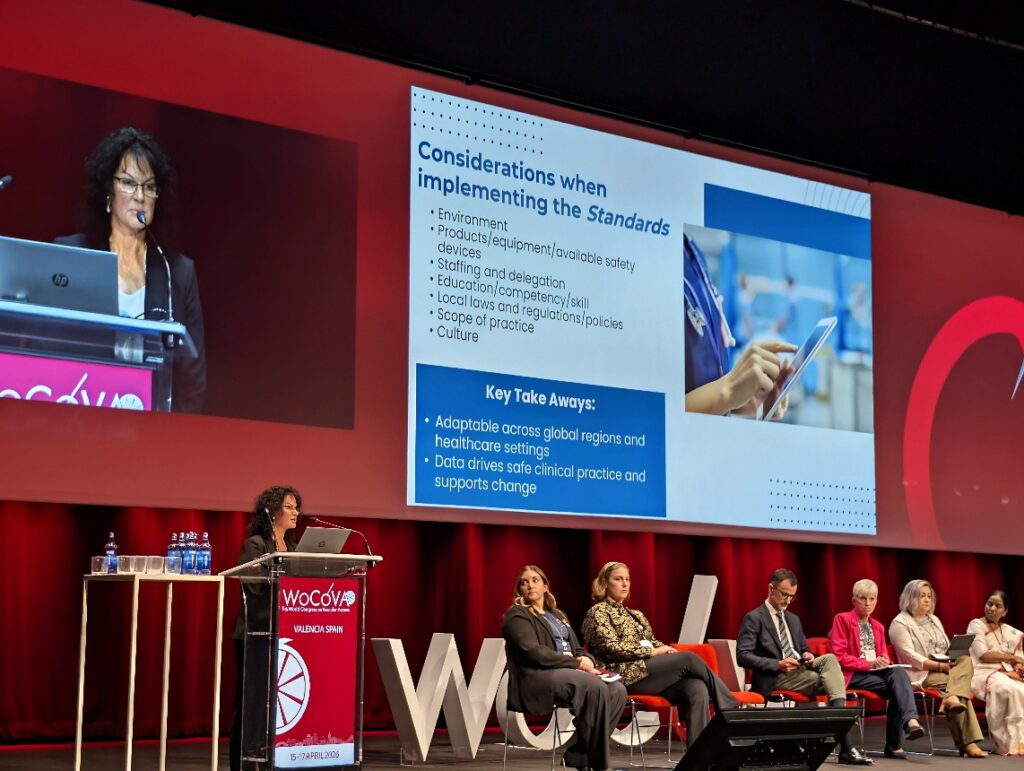
The session reinforced that data-driven practice, education, and collaboration are essential to advancing safe, standardized infusion care worldwide. This was further illustrated through presentations and panel discussions with clinician leaders from Belgium, Canada, Italy, Latin America, and India, who shared how guidelines are applied within their respective countries and healthcare systems.
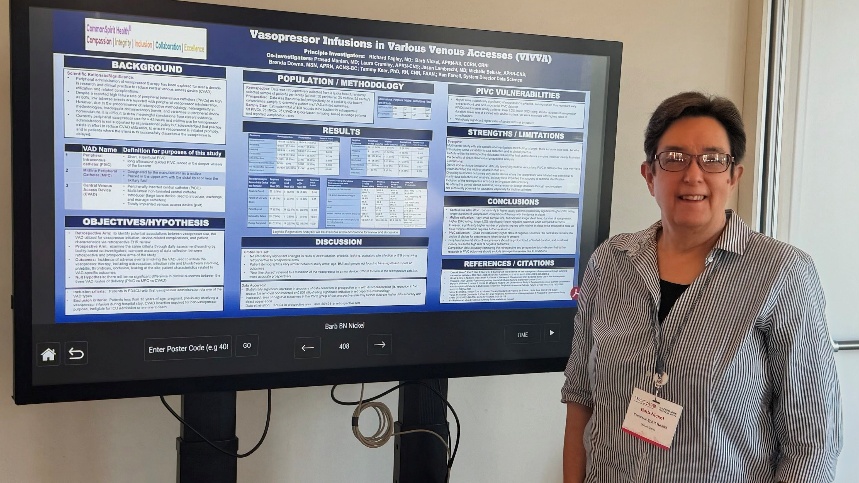
Barb Nickel, APRN-CNS, CCRN, CRNI®, Infusion Therapy Standards of Practice, 10th Edition Chair presented a poster titled: Vasopressor infusions in various venous accesses. Ms. Nickel’s poster presentation addressed the use of vasopressors in peripheral vascular access and the associated risks and safeguards in clinical practice. It highlighted emerging evidence supporting short-term peripheral administration under defined conditions, while emphasizing the importance of appropriate catheter selection, vein assessment, securement, and frequent site monitoring to reduce the risk of infiltration and extravasation injury.
The work reinforced the need for clear institutional protocols, timely transition to central access when indicated, and clinician education to support safe practice. Overall, the poster focused on balancing timely patient treatment with vessel preservation and complication prevention when vasopressors are administered peripherally.
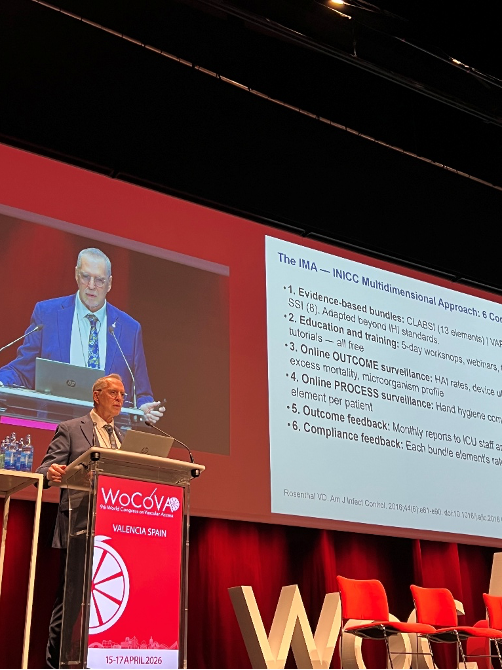
Victor D. Rosenthal, MD, PhD, Editor-in-Chief, Infusion Therapy Standards of Practice presented a session titled: Healthcare associated infections in 45 countries. Dr. Rosenthal’s presentation focused on the global burden of catheter-related infections and strategies for prevention in vascular access practice. He highlighted epidemiology and surveillance data to underscore the impact of healthcare-associated bloodstream infections and emphasized the importance of consistent application of evidence-based prevention bundles.
Key themes included insertion and maintenance practices that reduce infection risk, the role of standardized protocols, and the need for ongoing monitoring and feedback systems to improve outcomes. The presentation also reinforced implementation challenges across different healthcare settings and the importance of sustained, system-level approaches to reducing catheter-related complications worldwide.
INS Exhibiting
Having INS representation in the expo hall supported meaningful international engagement and networking with vascular access and infusion therapy leaders, professional associations, researchers, clinicians, and industry representatives from around the world. Over the three days, the exhibit space maintained a consistent flow of clinicians, including individuals already familiar with or affiliated with INS, as well as those newly introduced to its resources and initiatives.
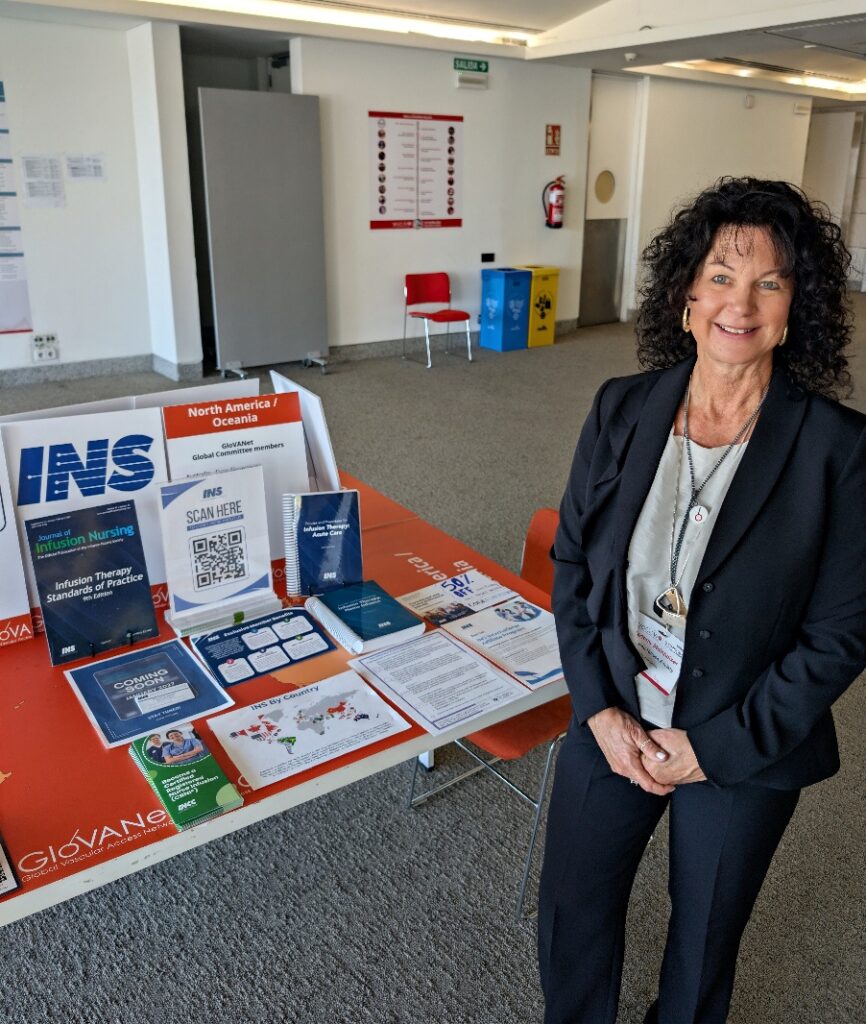
Discussions took place with several professional associations, including the Mexican Association of Professionals in Infusion Therapy (AMPTI), the Polish Society of Infusion Nursing (PTPI), the Brazilian Association of Vascular Access, the Canadian Vascular Access Association (CVAA), and the Argentinian Infusion Therapy and Patient Safety Association (ATISPA). Additional engagement occurred with researchers from the Alliance for Vascular Access Teaching and Research (AVATAR)group in Australia regarding potential future research collaboration.
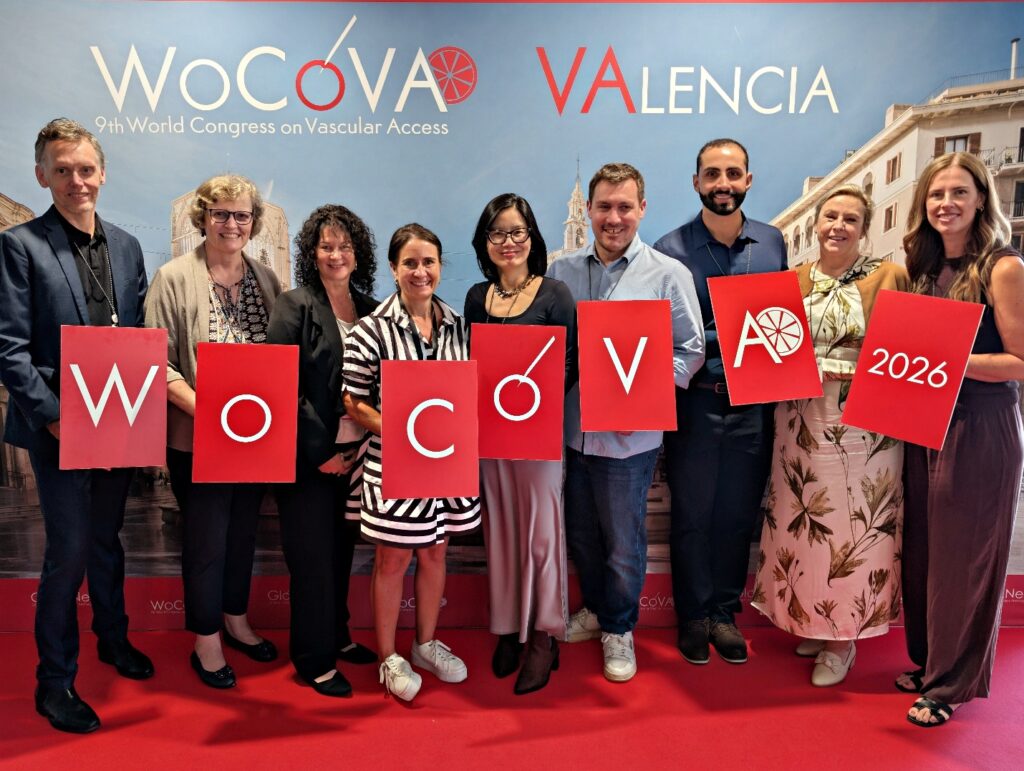
The exhibit also drew clinicians, nurses, educators, and healthcare professionals from a wide range of countries, including Canada, Mexico, India, the United Kingdom, Ireland, Spain, Sweden, Argentina, Peru, Croatia, Italy, Australia, South Korea, Ukraine, Finland, and the Czech Republic. Many attendees expressed interest in INS resources, education, and opportunities for collaboration and affiliate development. The global recognition of INS Standards was also evident, with one attendee from Mexico referring to the publication as “el libro famoso” (“the famous book”).
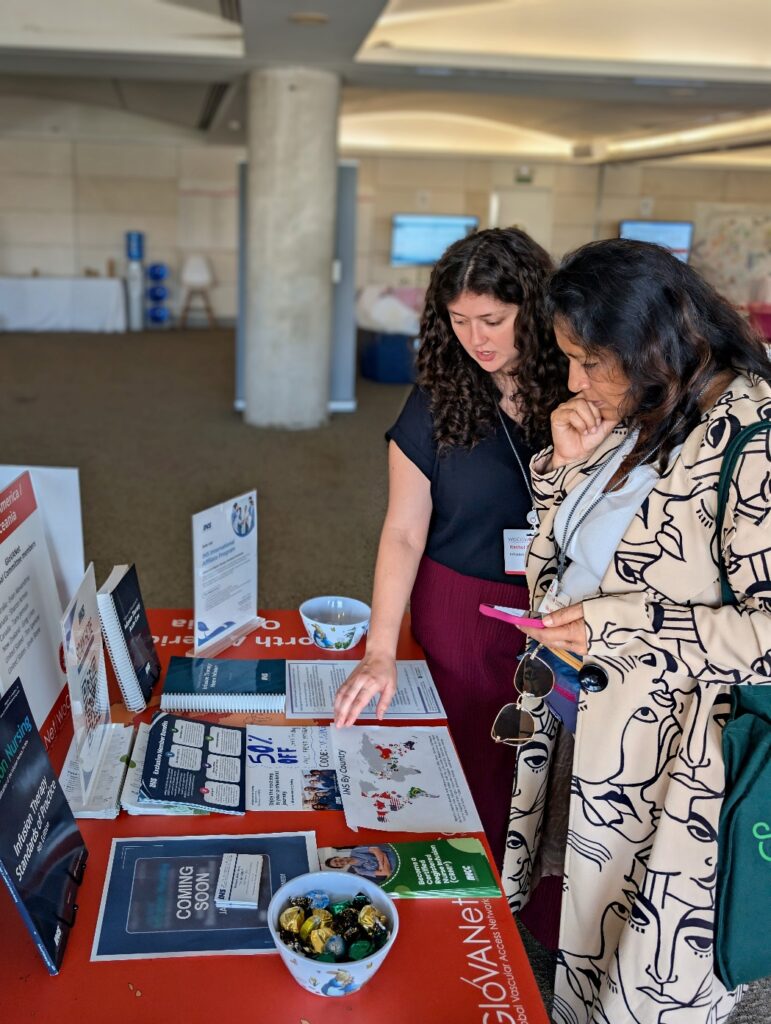
Rachel Steinheiser, INS intern, supported international vascular access education and outreach efforts at the Congress by providing Spanish language assistance to attendees who were primarily Spanish-speaking, representing approximately 20% of participants.
WoCoVA highlighted the pivotal role of global collaboration, education, and the sharing of best practices in advancing vascular access care. The active involvement of INS demonstrated a steadfast commitment to improving patient safety, standardizing practice, and fostering innovation worldwide. Through ongoing partnership and knowledge exchange, the vascular access community is well-positioned to address emerging challenges and shape the future of the specialty for the benefit of patients and clinicians everywhere.