
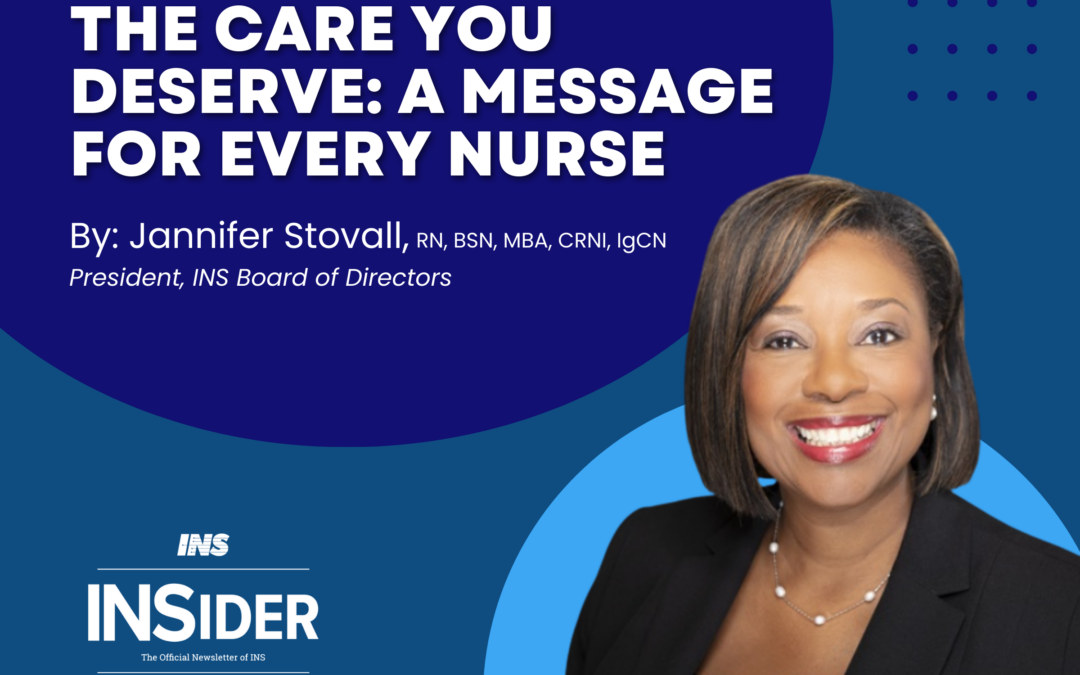
Nursing is, at its core, an act of giving. We show up day after day to assess, anticipate, advocate, and care, often placing the needs of others well before our own. Whether at the bedside, in the home, in ambulatory infusion suites, or behind the scenes coordinating care, we are natural caregivers. It is part of who we are.
Yet, in the midst of caring for everyone else, we often quietly neglect one essential patient: ourselves.
The profession of nursing carries both honor and weight. Long hours, emotional intensity, physical demands, and the responsibility of clinical decision making take a cumulative toll. Over time, this strain may surface as chronic fatigue, musculoskeletal pain, disrupted sleep, compassion fatigue, burnout, anxiety, or emotional exhaustion. Too often, these experiences are normalized. We tell ourselves this is just part of the job. We push through discomfort, minimize stress, and continue to give, sometimes at great personal cost.
There is a common misconception that caring for ourselves is selfish or indulgent. In reality, it is foundational to safe, ethical, and sustainable nursing practice. Just as we educate our patients on hydration, nutrition, rest, and emotional well-being, we must be willing to extend that same care inward. Self-care is not a departure from caregiving; it is an extension of it.
When we are physically depleted, mentally overwhelmed, or emotionally drained, the impact extends beyond the individual. It affects clinical judgment, patient safety, team morale, and job satisfaction. Conversely, when we are supported and well, we are better able to remain present, empathetic, and engaged in our work. Prioritizing well-being helps preserve stamina, resilience, clarity, and the sense of purpose that drew us into nursing in the first place.
Caring for the whole nurse means recognizing that well-being is multifaceted. Physical health includes adequate rest, nourishment, movement, and addressing health concerns early rather than pushing through pain. Mental health involves managing stress, setting healthy boundaries, and seeking support when the weight of responsibility becomes heavy. Emotional health requires acknowledging the emotional labor of nursing, processing difficult experiences, and allowing space for reflection, grief, and healing. These dimensions are deeply interconnected, and neglecting one often affects the others.
While personal responsibility plays a role, nurse well-being cannot rest on individuals alone. It must also be supported by leadership, professional organizations, and workplace cultures that encourage balance, open dialogue, and psychological safety. Normalizing conversations about stress, burnout, and resilience helps shift the narrative away from endurance at all costs and toward sustainability and support.
To every nurse reading this, your compassion, expertise, and commitment matter deeply. But so do you. The care you give so freely to patients, families, and communities is care you deserve as well. Taking time to rest, recharge, and tend to your own physical, mental, and emotional health is not stepping away from the profession; it is protecting your ability to remain in it.
Caring for yourself is not optional. It is essential to your health, the safety of your patients, and the future of nursing itself.