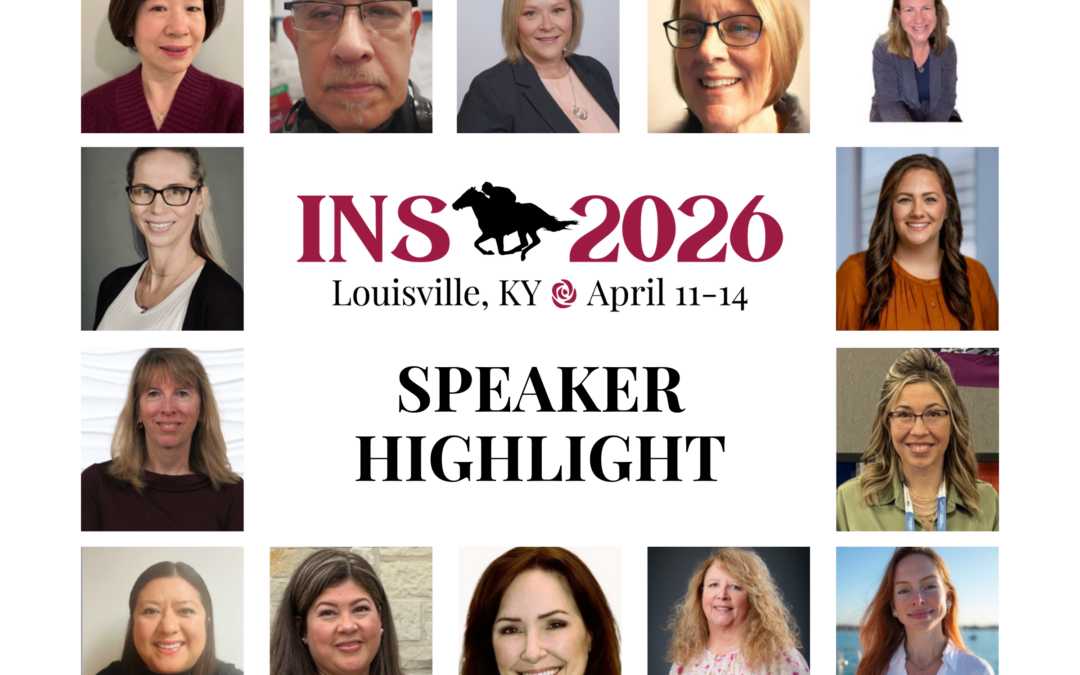
INS 2026 Annual Meeting is bringing together an exceptional group of speakers from across the infusion nursing community, and we wanted to give you a chance to get to know them beyond their credentials. We asked a few of our featured presenters to answer some get-to-know-you questions, and their responses just might surprise you. From unexpected fun facts to the moments that inspired their passion for infusion therapy, get a glimpse into the people who will be taking the stage in 2026.
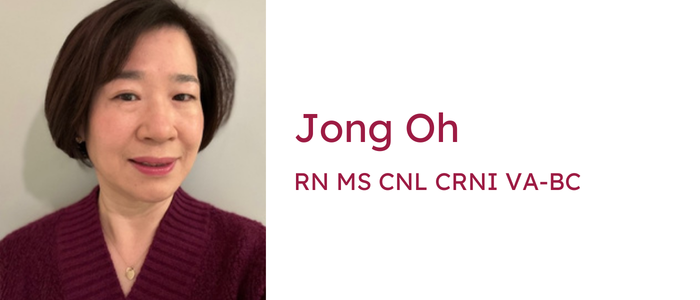
When did your passion begin?
My passion for becoming a vascular access specialist began in 2004, more than 20 years ago. At that time, I was working on a Med/Sur unit. One day, I assisted a PICC nurse who was placing a line for a confused patient. I was struck by how calm, confident, and compassionate she was throughout the procedure. Her skill was remarkable, and she made the, entire experience easier for the patient. Watching her work inspired me deeply. From that moment on, I knew I wanted to become a vascular access nurse.
Can you share a preview of the key themes or topics you will be discussing at the conference?
The key focus of my Q&A session centers on staff confidence and self-efficacy in inserting peripheral IV catheters within the Imaging department. Peripheral IVs play a critical role in CT and MRI examinations, supporting disease diagnosis and staging. When IV placement is unsuccessful, it can lead to procedure delays, increased patient discomfort due to multiple insertion attempts, IV-related complications, and overall staff frustration. In this session, I will discuss a quality-improvement initiative I led to strengthen staff confidence and self-efficacy in performing peripheral IV catheter insertions.
What are the biggest challenges currently facing professionals in this industry, and how can they be addressed?
The biggest challenge currently facing in the vascular access field is talent acquisition. Developing true expertise requires both individual dedication and organizational support. However, many nurses in the newer generation prefer to learn a skill and then move on, rather than remain in one specialty long-term. At the same time, the demands for vascular access specialists continue to grow, especially for patients with difficult venous access. Addressing this challenge will require stronger collaboration among regulatory agencies, insurance companies, hospitals, and nursing organizations to create sustainable pathways that attract and retain skilled vascular access professionals.
When did your passion begin?
My interest in prevention of medical device associated infections started in inner city hospital work 30+ years ago
Can you share a preview of the key themes or topics you will be discussing at the conference?
I will be addressing the need for expanding multidisciplinary efforts in mitigation of the upcoming federal metric Hospital Onset Bacteremia (HOB). The effort will require the universal assessment of insertion and maintenance of VADs as well as the organizational directions that will be needed for successful outcomes
What inspired you to focus on these particular areas in your presentation?
Rapidly changing landscape in infection surveillance and prevention.
Share a fun fact
I’m a good photographer!
When did your passion begin?
Early in my nursing career, a central line-related patient error changed me forever. I forged a lifelong commitment to patient safety, moral courage, and speaking up – values I have carried for over 30 years while empowering nurses to do the same.
How do you see the field of infusion therapy evolving over the next few years?
I can’t help but think AI will play a role in infusion therapy in the upcoming years. AI cannot replace an infusion nurse, but can be a support for infusion therapy through improving workflow efficiency in infusion centers, creating algorithms for personalized infusion schedules or even aiding in assessment or predicting patient response to therapies.
How do you stay up-to-date with the latest trends and advancements in infusion therapy?
It is essential to stay current with latest trends and advances in infusion therapy. This is easily done so easily through the various avenues we have at our fingertips- journal articles, being a member of professional organization(s) such as the INS, attending conferences at the local and national level, hands on workshops, attending webinars, and engaging in research and/or PI projects at your organization. Be involved, be curious!
When did your passion begin?
I have a few passions that impact me as I speak on this topic. The first is my passion for people and the privilege we have in caring for them and especially in knowing their stories, not just their diagnosis. When you are in someone’s home infusing, you enter into their story. This passion developed when I first started caring for patients. The second passion I have is for teaching,this first started when I recognized the first “aha” moment as I was explaining a diagnosis to a patient who knew nothing about the chronic illness they had. This passion continued and became even stronger as I taught nurses and also prepared students to become nurses and nurse practitioners. My most recent passion is for Alpha1 and all that surrounds that diagnosis. This started when I was diagnosed 14 years ago.
How do you see the field of infusion therapy evolving over the next few years?
I would see this field only becoming larger, with the need for more infusions to be done at home both because of cost and convenience for the patient. As more medications are developed that are given on a regular basis, I think home infusions will become the route to do these rather than infusions centers or EDs. There is currently a push in regards to Medicare to pay for home infusions of alpha1-proteinase inhibitors.
What do you hope attendees will take away from your talk?
What I would hope attendees take away from my presentation is a greater understanding of what Alpha1 antitrypsin deficiency is and why augmentation is important. I would also like each one to have a good understanding of what is involved in safe and effective administration but also a perspective of how they can impact their patients with a greater understanding of what it is like to live with Alpha1.
Share a fun fact
Fun Fact – My favorite things to do are spending time with my 4 grandchildren and camping.
What inspired you to focus on these particular areas in your presentation?
After entering industry from the bedside I always used to say, “I wish I knew what I know now…” That realization became my guiding principle in how I approached clinicians through my roles in industry. I always wanted clinicians using any product to understand the “WHY” it is important to do something, not just tell them what to do. Collaborating with Karen Giuliano and focusing on improving patient safety through enhancing nurse awareness is a great way to share the “WHY.”
Can you share a memorable experience or lesson from your career that has shaped your approach to your work?
As a someone who worked with patients directly I understand how stressful, and oftentimes annoying, new product assessment and implementation can be. Through those experiences, I became interesting and supportive of using Clinical Simulation as both an assessment and training tool. Clinical Simulation allows nurses to really push the boundaries with a product without impacting patient safety.
Can you share a moment when a challenge in your career taught you an invaluable lesson?
As a nurse with over 20 years at the bedside and another 20 within industry I have so many “moments” that have shaped me and made me who I am today. I think it is hard to pinpoint a single challenge but overall I have learned that listening is so important. Listening to patients, to their parents, to my coworkers and clinicians in many countries taught me so much. By listening to each other we can discover what each of us really needs and support each other more fully.
What do you hope attendees will take away from your talk?
I hope attendees leave the session with an increased understanding of how cryotherapy can be integrated into chemotherapy infusion workflows to help reduce the incidence and severity of chemotherapy‑induced peripheral neuropathy (CIPN). CIPN remains a major challenge for our oncology patients, impacting function, quality of life, and sometimes even forcing treatment dose reductions. Our team has been working to implement and optimize cryotherapy practices to address this and research strongly supports cryotherapy as an effective non‑pharmacologic intervention for reducing CIPN.
What has been the most rewarding part of your career so far?
The most rewarding part of my career has been the privilege of working in infusion nursing and caring for oncology patients and their families during some of the most uncertain moments of their lives. Leading and participating in evidence‑based projects, such as RN‑to‑NCT handoff communication initiatives for central line infection prevention, fall prevention, cryotherapy, and serving as a Co‑Investigator for an IRB research taste‑alteration study, has added tremendous purpose and depth to my work. Being able to offer comfort, provide support, and improve patient outcomes has been both fulfilling and deeply meaningful throughout my 21‑year career in Chicago.
Who or what has been your greatest influence or inspiration in your career?
One of the greatest influences in my oncology career has been Dr. Martha Polovich. Dr. Polovich has spent more than four decades advancing oncology nursing practice, with a particular focus on safe handling of hazardous drugs, education, and research. Her work as co‑editor of the Oncology Nursing Society (ONS) Chemotherapy and Biotherapy Guidelines and as editor of Safe Handling of Hazardous Drugs has helped set the gold standard for evidence‑based practice in oncology care. I met Dr. Polovich at the 2025 Oncology Nursing Symposium, and it was one of the highlights of my career and “fangirl moment”. Speaking with her reaffirmed my passion for oncology nursing and my commitment to safe infusion practices.
What’s one piece of advice you would give to attendees who want to get the most out of your session?
When I was first assigned this project, I wasn’t very enthusiastic. I believed that advancing into the RN IV role would offer larger opportunities, and I expected to make a broader impact than simply teaching about IV tubing. However, as I moved through this process, I realized the issue was far more significant than I initially thought. It not only created meaningful change but also reshaped the direction of my nursing career. The advice I would give is this: no matter how small a project may seem at first, don’t dismiss it—small beginnings can lead to big opportunities.
What has been the most rewarding part of your career so far?
I truly enjoy teaching and helping others learn. I get energized and feel a great sense of accomplishment when I’m explaining something and I see that moment when the learner’s understanding just clicks
Who or what has been your greatest influence or inspiration in your career?
There are a few people who immediately come to mind. My dad, Rick, has always been an incredibly hard worker, and he somehow always finds a solution to every problem. My mom, Maria, was also a nurse, and she has been my biggest supporter—my steady shoulder to lean on through the challenges of work and throughout nursing school. Lastly, my manager, Stephanie. Over the last six years, she has played a major role in shaping and guiding me. She has an exceptional ability to navigate any challenge that arises and has been an invaluable mentor.
Share a fun fact.
Professional: This is my first time attending the INS Conference and my first time giving a podium presentation!
Personal: I have a 93lb golden retriever, Lola Rae, who is spoiled to the bone!
Lisa Gorski, MS, RN, HHCNS, CRNI, FAAN
When did your passion begin?
I have always been a passionate about nursing and wanted to be a nurse from my grade school days! From my days of working on a surgical floor to the surgical/cardiovascular ICUs to home care, I found myself asking questions and looking for what were “best” practices in the days before “evidence-based” was the terminology. My motivation has always been about providing the best patient care based upon standards and evidence. I identified my first “project” on the surgical floor as a relatively new nurse- observing the inconsistency of pre-operative teaching among our nurses and worked with a team to standardize the pre-op teaching content. Even during my BSN program, I knew I wanted to pursue a graduate degree. I was very inspired by clinical nurse specialists and upon graduation, shortly began graduate school and ultimately became a CNS. My passion for infusion began when I became a home care nurse, and based on my substantial acute care experience, saw the opportunity for development of a specialized program working with our pharmacy. I joined INS, got involved and never looked back. I consider working with the committees on the INS Standards for 20 plus years my most important accomplishment.
Can you share a preview of the key themes or topics you will be discussing at the conference?
I will be presenting two sessions. Barb Nickel and I will co-present a session focused on optimizing the transition of patients requiring home infusion therapy. The reality is that discharge from acute care to home care demands strong interprofessional communication and collaboration, with careful attention to safety to reduce the risk of home-related complications and rehospitalizations while also ensuring patient and family satisfaction. My second presentation will provide an analysis of infusion-related malpractice cases, examining serious complications, contributing factors, and opportunities for prevention to strengthen clinical practice and improve patient outcomes.
What are the biggest challenges currently facing professionals in this industry, and how can they be addressed?
While I am addressing INS members with infusion/vascular access expertise, I would hope that attendees look within their own organization at opportunities to improve education and practice.
Given a growing body of research, new and often complex infusion drugs and therapies, and understanding VAD options and optimal care are critical to patient outcomes. Infusion therapy is common across many healthcare settings, yet how do we promote and ensure competency among the non-specialist nurse who is inserting PIVCs, caring for central lines, and infusing a variety of drugs and solutions? As an educator, I provide on-boarding infusion education to home care nurses. Beyond the didactic information that I convey virtually to a multi-state organization audience, I always include case studies and examples to emphasize key points in risk management. However, while virtual education is common now, I always question the level of engagement at the local level. Information must be reinforced, and high-level competency assessments at the local level are critically important. While malpractice cases occur, fortunately they are not common. Yet, an underlying issue in many of the malpractice cases that I have reviewed sadly comes down to a lack of knowledge and under-appreciation or lack of understanding of complications. Addressing these gaps remains a central challenge and responsibility for infusion and vascular access specialists.
Share a fun fact
I do have a life beyond infusion therapy! About four years ago, I took up golf and quickly fell in love with the game. I joined the women’s golf association at our club and now serve on the board as treasurer. I enjoy playing, and trying to improve my game, with a fun group of women—as well as with my husband—and each year I eagerly await the return of golf season after a Wisconsin winter.
When did your passion begin?
My passion for infusion therapy developed as I moved into the home infusion setting and saw firsthand how complex, high-impact therapies can transform patients’ lives when access, safety, and stewardship are aligned. I realized early on that safe infusion care extends far beyond the medication itself—it depends on the systems that support clinicians, promote consistency, and ensure responsible use of resources. This perspective shaped my focus on building processes that allow patients to receive life-altering therapies safely and economically, without compromising quality or care.
Can you share a preview of the key themes or topics you will be discussing at the conference?
My session will focus on implementing structured, system-based approaches to managing infusion reactions in the home setting, particularly for first-dose biologic and specialty therapies. Key themes include proactive risk assessment, early symptom recognition, standardized documentation, and leveraging the electronic health record to strengthen communication, continuity of care, and organizational learning.
Can you share a memorable experience or lesson from your career that has shaped your approach to your work?
One of the most defining moments in my career occurred while advocating for a child who had been denied coverage for immune globulin therapy for PANDAS. As part of my role, I routinely help coordinating medical letters of necessity, but this case stood out. The child’s mother—who was also a nurse—had written her own letter describing the devastating impact of the disease, not only on her daughter but on their entire family. She shared the challenges of maintaining work, caring for her other children, supporting her spouse, and navigating daily life while her child struggled without access to appropriate therapy.
Reading her words as both a clinician and a mother was deeply moving. It reinforced that access to therapy is not simply a coverage issue—it is a care issue. In that moment, I realized how critical it is to bring complex, potentially life-altering therapies into the home for our most vulnerable patients, especially when traditional care settings are not accessible or sustainable.
That experience solidified my commitment to advancing home infusion and hospital-at-home models that prioritize safety, dignity, and access. It continues to guide my work and fuels my focus on building systems that allow patients to receive high-acuity therapies in the comfort of their homes—providing relief not only to patients, but to the families who support them.
What inspired you to focus on these particular areas in your presentation?
I have been an infusion nurse for 15 years. When I was a staff nurse I would often see patients with difficult IV access and recall how much time and effort it would take to obtain access. We would see the delays in care and feel hopeless on how to prevent such experiences moving forward. As an RN you don’t always feel you have the voice to be able to advocate or even if you do that it will change the outcome. When I became a CNS these, I focused my efforts on these areas that I knew had opportunities for improvement. Vascular access has always been my first love and being able to have the expertise and role to do the research, quality improvement work to support our nurses and patients is extremely gratifying and having the platform to share this work at a national level is incredible.
How do you see the field of infusion therapy evolving over the next few years?
Infusion therapy is really changing. The idea that all infusion therapies will go through the traditional intravenous route is now changing. The types of therapies and technology to administer medications are drastically changing. With the emergence of subcutaneous formulations, unique routes of medications (percutaneous tubes, intravesical therapy, intraperitoneal, intratumoral, large SQ, IM, etc.) this is the new wave of innovation in infusion therapy. And as infusion nurses we will need to keep up with the constantly changing field and ensure we adjust our practice to meet the demands.
How do you stay up-to-date with the latest trends and advancements in infusion therapy?
Well, one of the best ways is attending great conferences like INS! As well as specialty conferences for our area like NCCN and ONS where the latest therapies and research in various subspecialties are discussed. Additionally, I have great relationships with CNSs across the country at other academic institutions and we often discuss new emerging therapies coming down the pipeline and how to implement at our respective institutions. We also have great internal channels and partnerships with our oncologists, pharmacists and cancer leaders about new updates in cancer and our non-oncology space which is an ever growing field.
What inspired you to focus on these particular areas in your presentation?
As a practicing intensive care unit nurse and previous member of several vascular access teams, I noticed different teams’ approach to patient assessment.
I developed an evidence-based and standardized approach to assessing patients to ensure successful, safe and efficient vascular access device placement.
How do you see the field of infusion therapy evolving over the next few years?
Through the use of technology and social media, very pertinent and useful information is disseminated promptly. Sharing information, publishing and disseminated our findings helps to advance our profession, specialty and improve patient care.
What are the biggest challenges currently facing professionals in this industry, and how can they be addressed?
Vascular access team position restructuring and team member cutbacks negatively impact hospital throughput and outcomes.
Make connections within your facility to identify opportunities for improvement. Track progress and data to share both internally with stakeholders and publish your research findings or process improvement projects.
Carla Dillard MSN, RN, VA-BC
Can you share a preview of the key themes or topics you will be discussing at the conference?
I am excited to explore the dynamic world of interdisciplinary and interorganizational collaboration! Over the past few years, I’ve had the pleasure of working on several projects, beginning at the bedside and gradually growing to standardizing processes across an entire organization spanning multiple geographical locations. I’ve also been involved in advocating for nursing boards to help advance nursing practice. My presentation will highlight the significant outcomes that resulted when diverse disciplines and organizations worked together to achieve common goals.
What inspired you to focus on these particular areas in your presentation?
I’m genuinely excited about my presentation topic because I firmly believe that collaboration is essential for making progress. I’ve witnessed firsthand how the absence of innovative ideas can slow us down, and that inspires me to help break down those barriers. I’m encouraged to create a welcoming environment where creativity and teamwork thrive, leading to meaningful positive change.
What’s one piece of advice you would give to attendees who want to get the most out of your session?
Value your passion and knowledge—it’s amazing how it can help you connect with others and make your journey so much more enriching!
Laurin Dowdel, BSN RN OCN CRNI
What inspired you to focus on these particular areas in your presentation?
I have wondered why we gave our patients Heparin during their terminal flush of their Mediports since I became an Oncology nurse over 30 years ago. Some of our patients
What do you hope attendees will take away from your talk?
That you do not have to be in management or an upper level RN to be qualified to make meaningful changes in policies in your institution. All you need is data and determination to transform patient care for the better.
Who or what has been your greatest influence or inspiration in your career?
2 things. First and foremost are my many, many patients over my 35 plus year nursing career. I feel education empowers people to take better care of themselves. Just recently, I had a patient who was so appreciative of the time I took with her during her chemotherapy treatment. She was receiving AC (Doxorubicin and Cyclophosphamide) and I sat as she described it, “right between her feet in her infusion chair” and proceeded to give her my usual education for that regimen of Chemotherapy, as I was just being me. I had no idea how much that simple act meant to her. Her next treatment she asked to see me. She began by telling me how much my time with her impacted her care. She had told the doctor, nurse practitioner how much my kindness, caring and education influenced to her. We often do not realize the importance of our presence and purpose to our patients.This is why I am still an Oncology RN after all these years. It fills my heart to know how deeply I help people everyday. Secondly, I thoroughly enjoy being a mentor to my coworkers. We have nurses of all ages and backgrounds working in our clinic. Giving them support on a daily basis and leading by example makes them and me a better nurse. Respect for others earns respect for you.
Share a fun fact
My fun fact about my life is that I used to guess people’s age, weight and birth month at an amusement park in California. Back in high school and college, I had a part time job working in “Center Ring” the games area at the amusement park. There is actually a skill involved with doing so! On the job training, believe me. Me and one of my dear friends to this day used to have a crowd cheering us on many a Saturday night, with this huge scale people stepped on and cheesy prizes to give away if we lost. The job was a blast, a novelty and still a great conversation piece. The best part is that I am still a good “guesser” and use my skills to make people laugh!
Amber Webb, MSN-HI, RN, CRNI
Can you share a memorable experience or lesson from your career that has shaped your approach to your work?
I will never forget my very first day in the field by myself. I was new to placing peripheral IV catheters because I came from the land of Central Lines 😉 this patient had very large healthy veins and being new, I tied that tourniquet tight and I did not understand the slip and slide of a tiny 24g catheter in a huge highway of a vein! Blood came out so quick, the catheter slid, a scene from Dexter comes to mind.. After the second IV placement (successful this time) I finished the appointment and tucked tail feeling embarrassed. The next day I was sitting with my boss in the infusion suite learning the site of care and low and behold, a complaint about me popped up on her laptop screen. I had been a nurse for fourteen years, established myself as an oncology expert, and here I was being fired from a patient because of my IV start. That is when I learned how important that very first poke is for a patient. It will make or break their opinion of you as a nurse -at least at first impression. It’s not say you have to be an expert and amazing and get every IV the first time- but it is to say, it IS important to handle it with grace, ensure you are prepared, and oh man, fake it till you make it. I was honest with the patient in my lack of confidence and that did not help me in that instance. Needless to say I thought I was going to be fired, but she showed some grace and I took that feedback and carry it with me to this day. Some of that was lack of experience on my part (probably don’t need a tourniquet all of the time, could choose a different gauge for a giant highway of a vein, etc.)- but one thing that is my takeaway from that experience is to engage the patient in their IV placement from the beginning- for instance now, when I complete a site assessment, I say ‘well, let’s see if there are any volunteers’ and this helps set the patient at ease and engages them in site selection or their preference.
What skills or qualities do you believe are essential for success in this field?
LISTENING. How many times have we encountered a patient that knows ‘their spot’ and they are able to tell you a story about how one time someone didn’t listen and how many pokes they encountered. Or, the seasoned patient that knows their port access by heart and may provide direction or preference and the clinician disregarded them? These are encounters that fragment the trust between patients and our clinicians. Anyone can be taught a skill- its the soft skills for these chronic patients they need most- they are functioning within the healthcare ‘machine’ -so encountering someone who really takes the time to listen and acknowledge them goes such a long way.
What advice would you give to first-time attendees of the INS conference?
SOAK IT UP. Take ALL of the cards- and after the conference, email those you shared time with. Establish connections in our field across the globe to create a ‘Brain Trust’- it’s through this sharing of knowledge for all of us that we can achieve best outcomes together!